·
Nepal’s Economic Growth Slows Amid Middle East Conflict and Rising Fuel Prices
Author
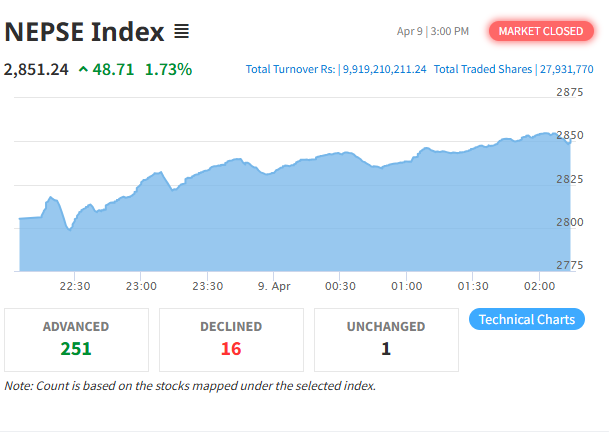
NEPSE TRADING
Kathmandu: According to the latest “Nepal Development Update” released by the World Bank, Nepal’s economic growth is projected to slow in the coming years. The ongoing conflict in the Middle East and transportation disruptions in the Strait of Hormuz have reduced crude oil supply, leading to higher fuel prices, which are expected to affect Nepal as well. The economic growth rate is projected to drop to 2.3% in FY 2082/83, down from 4.6% in the previous fiscal year.The report highlights that internal and global risks will particularly impact the service and tourism sectors. A decline in tourist arrivals during the peak season from Chaitra to Jestha is expected to put pressure on hotels, restaurants, and transportation. Rising fuel prices may weaken consumer purchasing power, increase industrial costs, and reduce investor confidence. The agriculture sector is expected to remain stable overall, although droughts in the Madhesh region could reduce some crop production.On the positive side, political stability following the recent parliamentary elections, reform-oriented policies, and sufficient foreign exchange reserves are expected to boost investor confidence. World Bank experts emphasize the importance of private sector-led growth, infrastructure development, hydropower expansion, and prioritization of tourism, ICT, and agriculture sectors.The report projects that consumption growth, hydropower development, and local elections-related expenditures will raise economic growth to 4.4% in the coming fiscal years. Consumer price inflation is expected to reach 4.3% in FY26 and 5.1% in FY27. Due to the conflict, the poverty rate is projected to rise from 6.5% to 6.6%, potentially pushing over 17,000 people into poverty.Regional economic growth in South Asia is also expected to slow slightly. Disruptions in the global energy market are projected to reduce the regional growth rate from 7% in 2025 to 6.3% in 2026. However, compared to other emerging economies, South Asia is still expected to grow at a relatively rapid pace. The report recommends targeted policy interventions to improve employment, business environment, and regulatory predictability.