Stakeholders Stress Public–Private Cooperation for Successful Economic Census 2082
Author
NEPSE TRADING
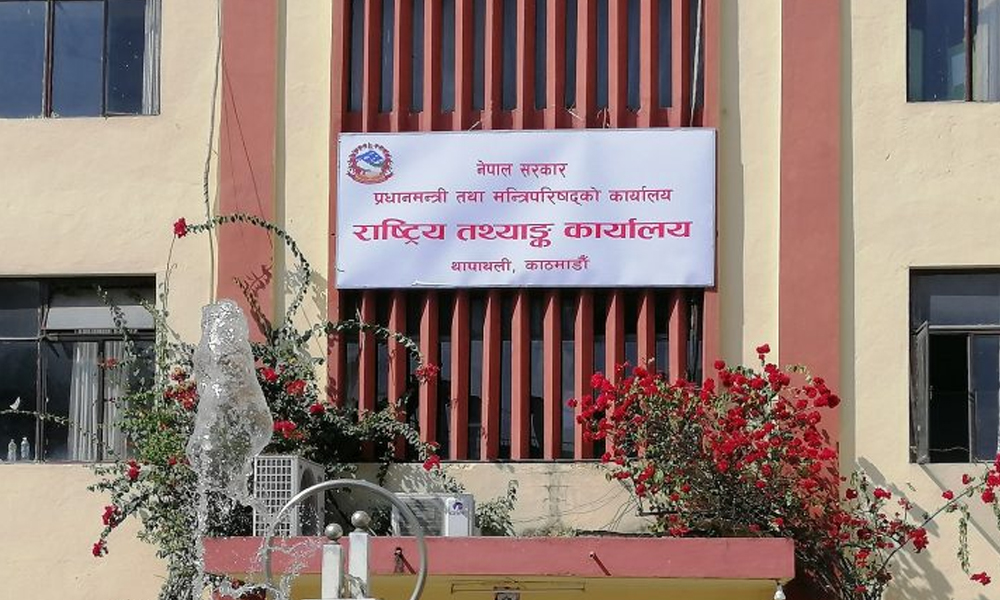
Kathmandu — Stakeholders have emphasized the need for strong cooperation between government agencies and the private sector to ensure the successful implementation of the National Economic Census 2082. The call was made during an interaction program jointly organized by Federation of Nepalese Chambers of Commerce and Industry and the National Statistics Office on Monday.
During the discussion, industrialists and business representatives highlighted that the census can only achieve its objectives if private enterprises actively participate and coordinate with government institutions. They noted that accurate data collection depends largely on the willingness of businesses to share reliable information.
The National Economic Census aims to collect, process, analyze, and publish basic information on economic establishments operating across the country. According to officials, the data will provide a comprehensive picture of industrial, commercial, and service-sector activities, helping policymakers better understand Nepal’s economic structure.
Speaking at the program, FNCCI Vice President Hemraj Dhakal said the census would reveal the country’s real economic condition, the status of industries and businesses, investment trends, and employment patterns. He stressed that such information is crucial for effective policy formulation and economic planning.
Dhakal further stated that the private sector’s active involvement is essential for the census to succeed. He expressed FNCCI’s readiness to support the government by encouraging businesses to cooperate and participate fully in the data collection process.
Similarly, National Statistics Office Joint Secretary Dhundiraj Lamichhane said the upcoming census would generate detailed data on industrial, commercial, and service sectors. He noted that evidence-based policymaking depends on reliable and updated statistics, which the census is expected to provide.
Lamichhane added that accurate data would help the government design long-term development plans, allocate resources more effectively, and evaluate the performance of various economic sectors.
According to the National Statistics Office, the second National Economic Census will be conducted from Baisakh 2 to Asar 7. During this period, enumerators will collect information from economic establishments nationwide, covering a wide range of business activities.
At the program, Director Ved Prasad Dhakal presented on the necessity, objectives, and significance of the census. He explained that the collected data would benefit both the public and private sectors by supporting research, investment planning, and regulatory reforms.
Participants concluded that timely completion of the census, transparency in data handling, and close coordination among government bodies, private institutions, and local authorities are essential. They stressed that only through a collaborative and participatory approach can the National Economic Census deliver reliable results and contribute meaningfully to Nepal’s economic development.