Iran’s Supreme Leader Ayatollah Ali Khamenei Confirmed Dead; 40 Days of National Mourning Declared
Author
NEPSE TRADING
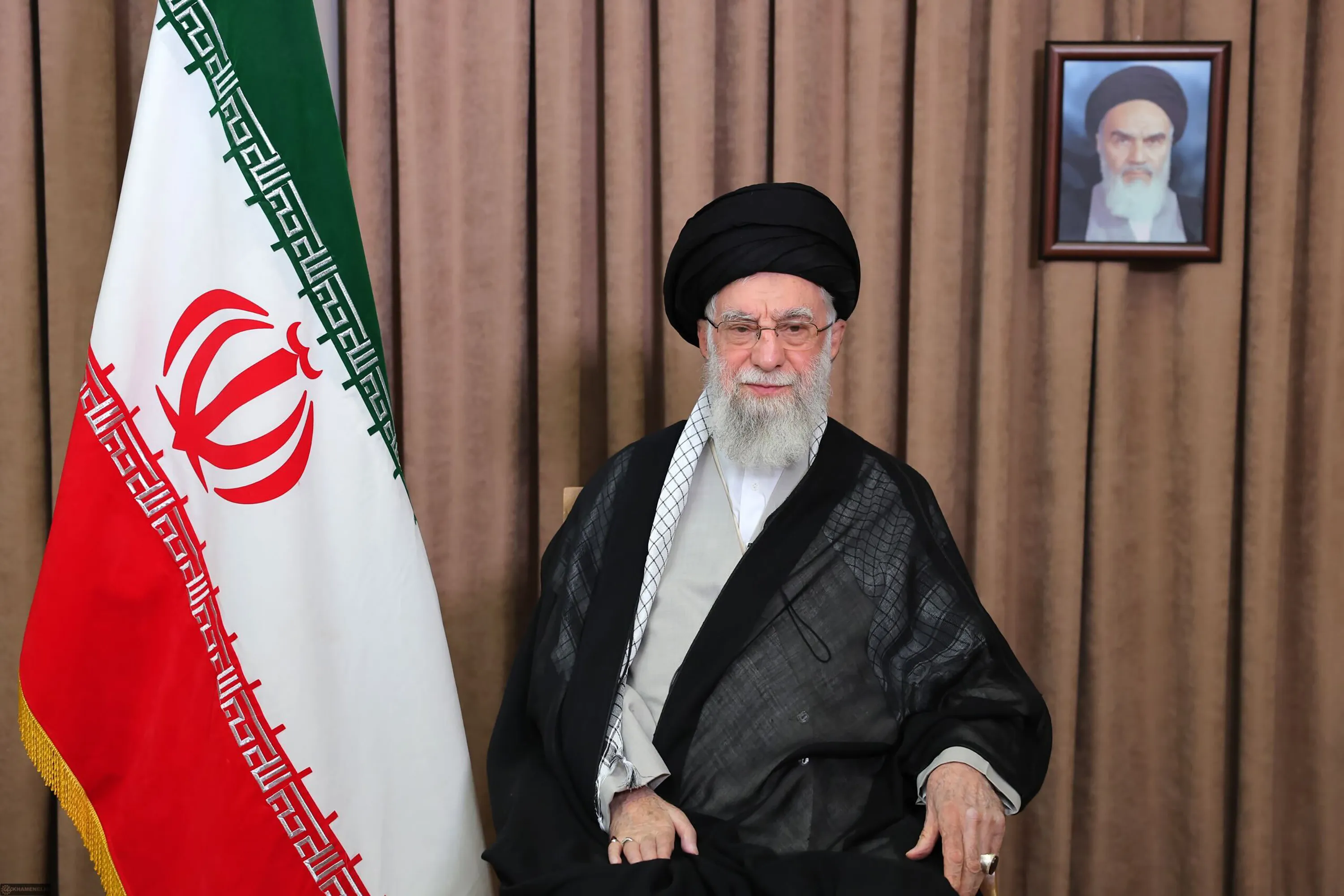
Iran’s Supreme Leader Ayatollah Ali Khamenei has died, according to confirmation broadcast by Iran’s state television, which also announced a 40-day period of national mourning following his death.
A state TV presenter, appearing emotional during the announcement, confirmed the passing of the 86-year-old leader. International media outlets, including the BBC, reported that the Iranian government has officially declared nationwide mourning, along with seven days of public holidays.
Earlier, former U.S. President Donald Trump had claimed on his Truth Social platform that Khamenei had been killed. However, Iranian authorities initially denied the claim, with Foreign Minister Abbas Araghchi telling NBC News that the Supreme Leader was safe and in good health at the time.
Subsequently, multiple Iranian state-affiliated media organizations confirmed the news. According to Al Jazeera, Iran’s Fars News Agency reported that Khamenei was killed early Saturday morning while carrying out official duties in his office. Tasnim News Agency also independently confirmed his death.
Who Was Ayatollah Ali Khamenei?
Ayatollah Ali Khamenei served as Iran’s Supreme Leader since 1989, succeeding Ayatollah Ruhollah Khomeini, the founder of the Islamic Republic of Iran and leader of the 1979 Islamic Revolution that overthrew U.S.-backed monarch Shah Mohammad Reza Pahlavi.
As Supreme Leader, Khamenei held ultimate authority over Iran’s government institutions, armed forces, and judiciary, while also serving as the country’s highest religious authority.
During his decades-long rule, Iran faced strained relations with Western countries, severe economic sanctions, and multiple waves of domestic protests related to economic conditions and civil rights issues. Khamenei frequently described the United States as Iran’s primary adversary and viewed Israel as a major regional enemy.
His power base relied heavily on two major security institutions: the Islamic Revolutionary Guard Corps (IRGC) and the Basij paramilitary force, which includes millions of volunteers and plays a key role in maintaining internal security.
Nuclear Policy and International Tensions
Khamenei consistently maintained that Iran would never pursue nuclear weapons, insisting that the country’s nuclear program was solely for peaceful civilian purposes. U.S. intelligence agencies and the United Nations’ nuclear watchdog, the International Atomic Energy Agency (IAEA), have stated that no definitive evidence of an active nuclear weapons program had been found, although Israel and some members of the Trump administration continued to accuse Iran of pursuing nuclear capabilities.
Rising Regional Tensions
Regional tensions had intensified following a 12-day conflict in June 2025 and subsequent retaliatory strikes between Iran and Israel. Israeli Defense Minister Israel Katz reportedly stated that Khamenei’s continued existence should not be allowed, describing him as a “modern Hitler” and suggesting that removing him from power was among Israel’s strategic objectives.
During the latest attacks on February 28, 2026, Israeli officials acknowledged that both Khamenei and Iranian President Masoud Pezeshkian were targeted. Donald Trump also addressed Iranian citizens, urging them to take control of their government — remarks interpreted as signaling U.S. support for regime change in Iran.
Israeli Prime Minister Benjamin Netanyahu has also indicated that attempts to target Khamenei were not ruled out, according to international media reports.